Who Said "In My Defense I Was Left Unsupervised"?
The phrase "In my defense I was left unsupervised" has become a favorite piece of internet humor because it is short, witty, and instantly relatable. You will see it everywhere, from memes and social media captions to products in this In my defense I was left unsupervised collection. Its charm lies in how it transforms a questionable decision into something funny rather than embarrassing.
What makes the quote so effective is its sense of familiarity. It reflects those small, everyday moments when things do not go exactly as planned, yet are harmless enough to laugh about. When someone asks, "Why did you do that?", this phrase offers a lighthearted and humorous reply. It sounds like a justification, but it is really a playful admission of guilt.
That balance between humor and honesty is what makes the quote so appealing. It captures a universal experience in just a few words. Instead of denying responsibility, it embraces it in a lighthearted way, which is why it continues to spread across internet culture and everyday conversation.
Who Said "In My Defense I Was Left Unsupervised"?
The quote is most commonly attributed to Lee St. John, a writer known for her humorous and self-deprecating storytelling. Her work often reflects on everyday chaos, personal misadventures, and the kind of situations where humor becomes the best response.
On platforms like Goodreads, the quote appears under her name. However, it is important to understand that many quote databases rely on user submissions, which means attributions are not always officially verified. Because of this, the connection to Lee St. John is widely accepted but not definitively proven in a strict literary sense.
There are also similar versions of the quote that appear in other contexts. For example, a nearly identical line has been linked to Mackenzi Lee, which suggests that the idea behind the phrase may exist in multiple forms rather than coming from a single, clearly documented source.
Even so, Lee St. John remains the name most closely associated with the quote. Her writing style and humor align perfectly with the spirit of the phrase. It feels less like a formal quote and more like a personal confession that resonated so strongly it took on a life of its own.
What Does "In My Defense I Was Left Unsupervised" Mean?
At its core, the phrase is a humorous excuse. It suggests that the speaker is playfully explaining a situation by pointing out that no one was there to guide or stop them. In a literal sense, it means: "It is not entirely my fault because nobody was watching."
The humor comes from the contradiction inside the sentence. The phrase "in my defense" sounds like the beginning of a serious justification, as if the speaker is about to present a logical argument. Instead, it ends with "I was left unsupervised," which sounds more like something a child would say. That contrast creates the punchline.
It is also a form of self-aware humor. The speaker is not truly avoiding responsibility. In fact, they are admitting fault while jokingly shifting the blame. This makes the phrase feel honest and playful at the same time.
From a psychological angle, this type of humor reflects light rationalization. People use it to soften small mistakes and turn them into something socially engaging rather than awkward. By framing a moment this way, the speaker replaces embarrassment with humor, making it easier for others to connect and respond positively.
Because of this, the quote works especially well in modern online culture. It is short, flexible, and easy to apply to everyday situations, which helps it transition naturally from a simple joke into a recognizable phrase people enjoy using and even wearing as a statement of personality.
Where Did This Quote Come From?
The quote is most strongly linked to Lee St. John and her humorous writing style. It is often associated with her memoir-style work, particularly her collection She's a Keeper!, where she reflects on a lifetime of mischievous and entertaining experiences. In that context, the phrase functions as both a punchline and a personal philosophy.
In one widely cited author interview, Lee St. John even used the line as the answer to what she would want written on her headstone. That detail reinforces how closely the quote is tied to her personality and sense of humor. It was not just a clever sentence. It represented her entire outlook on life.
At the same time, there is no single, clearly documented first publication that definitively establishes the quote's origin. Like many popular sayings, it appears across multiple quote websites, blog posts, and online collections. This makes it difficult to trace a precise starting point.
What is clear is how the phrase spread. It gained traction online in the mid-2010s as quote-sharing platforms, memes, and social media content began to amplify short, relatable lines. From there, it quickly moved into merchandise, captions, and everyday conversation.
In that sense, the quote is both a product of individual creativity and internet culture. It may have started as a personal expression, but it became a shared joke that millions of people now use to describe their own moments of chaos.
Why Is This Quote So Popular?
One of the biggest reasons this quote has become so popular is its perfect balance between humor and relatability. The phrase combines a formal, almost legal-sounding setup, "in my defense," with a childish and unexpected excuse, "I was left unsupervised." That contrast creates an instant punchline that works without needing any additional context.
Another key factor is how universally relatable it is. Most people have experienced small, harmless moments where things did not go exactly as planned. Whether it is making a minor mistake, forgetting something, or ending up in a slightly messy situation, the feeling behind the quote is widely shared. This broad relatability helps the phrase connect with different audiences.
The quote is also highly adaptable. It can be used in countless everyday situations, which makes it perfect for social media. Short, flexible phrases tend to perform better online, and this one fits neatly into captions, comments, and memes. Its brevity makes it easy to remember and reuse.
Repetition has played a major role as well. The quote appears frequently on quote websites, blogs, and user-generated content platforms like Instagram and TikTok. Over time, this constant exposure reinforces familiarity and keeps the phrase circulating.
Finally, the quote aligns with a broader trend in modern humor: embracing imperfection. Instead of hiding mistakes, people prefer to laugh at them. This line turns small failures into something entertaining, which is why it continues to resonate with audiences today.
How People Use This Quote Today
Today, "In my defense I was left unsupervised" is widely used across both online and offline contexts. It has evolved from a simple quote into a versatile expression that fits many situations.
On social media, the phrase is often used as a caption for photos or videos that show lighthearted, slightly messy, or unexpected moments. For example, someone might post a picture of a cluttered workspace, a cooking experiment that did not go as planned, or a funny situation with friends, and pair it with the quote. This adds humor while keeping the tone relatable and positive.
The phrase is also common in memes and online communities. Platforms like Reddit frequently feature it in comment threads where users share funny or relatable experiences. It works well in digital spaces because it is short, recognizable, and easy to apply.
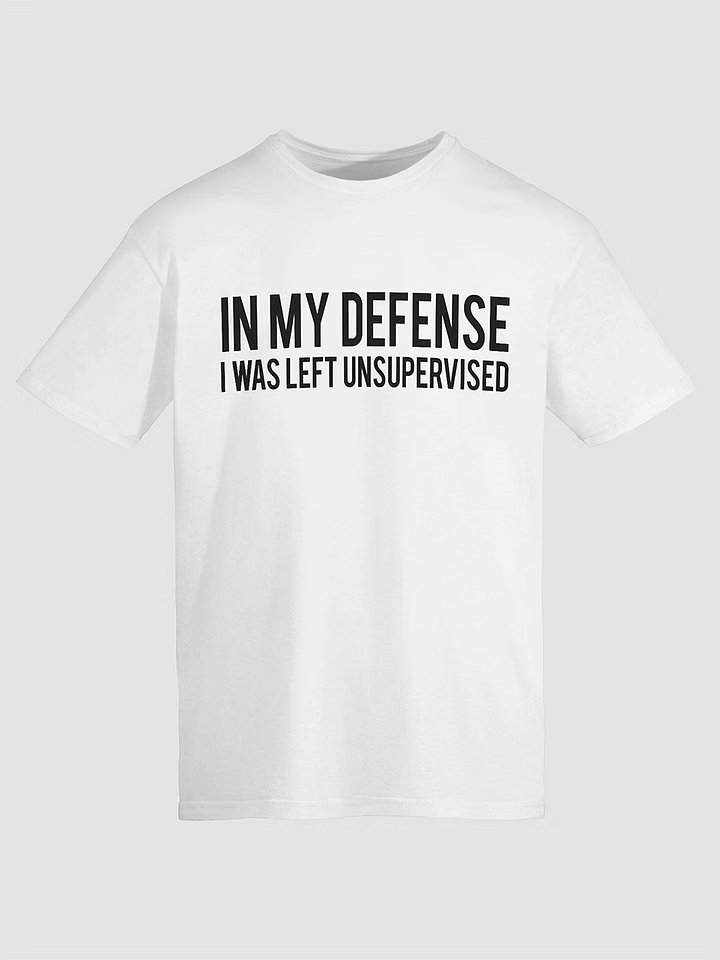
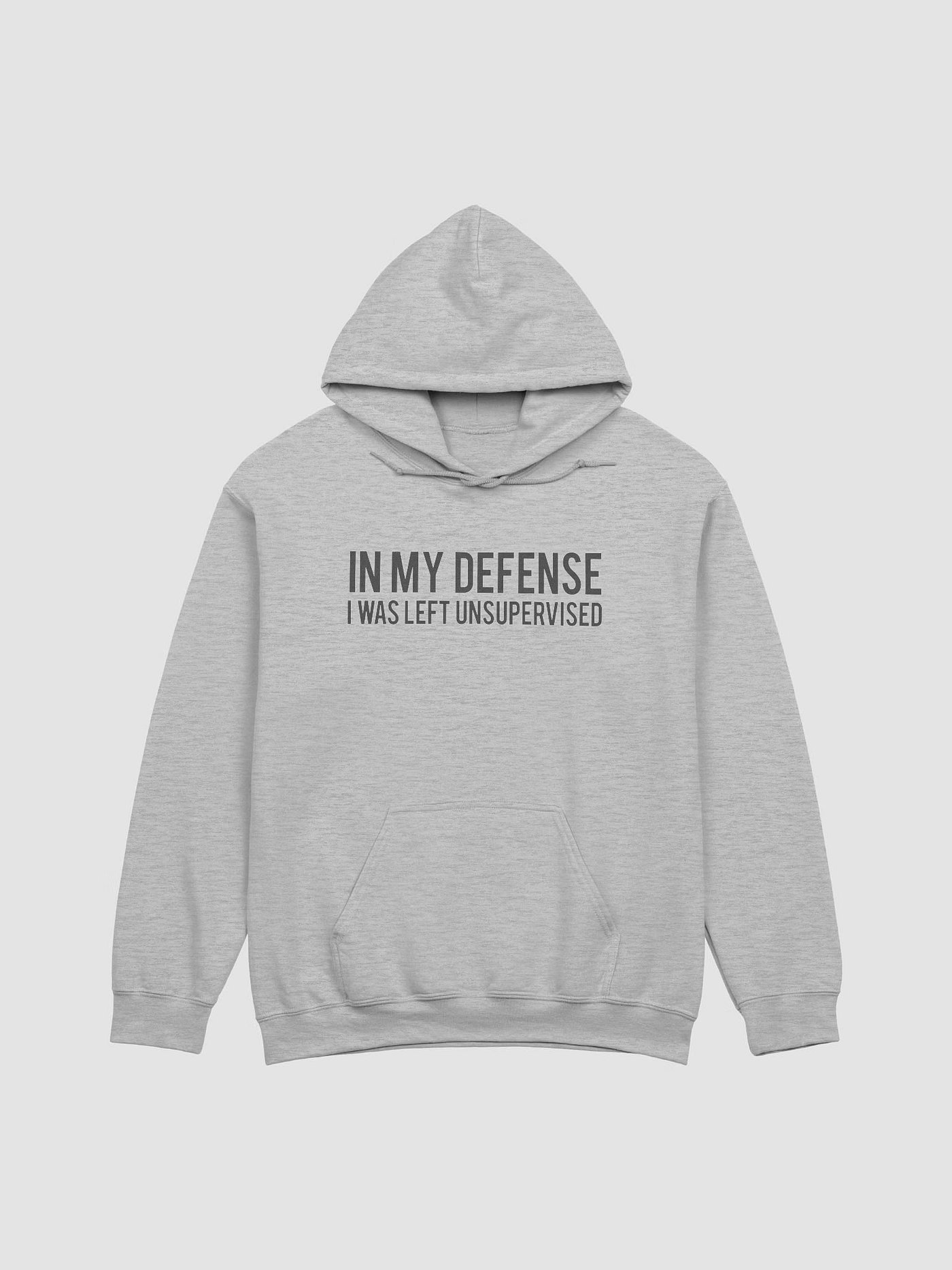
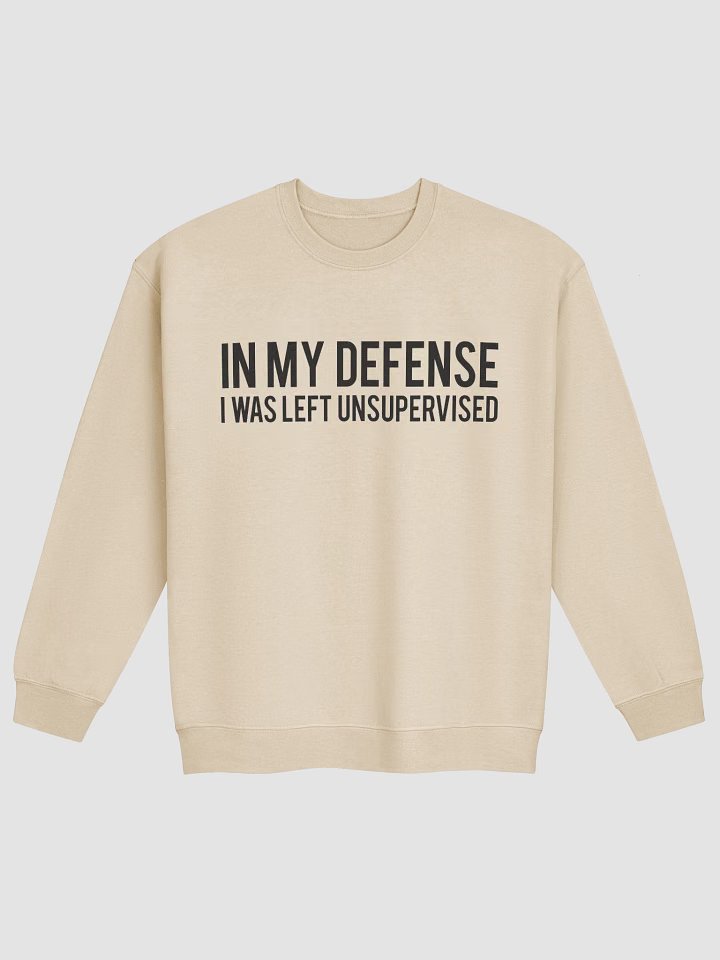
Beyond digital use, the quote has become popular in merchandise. It appears on items like this In my defense I was left unsupervised T-shirt, a cozy funny unsupervised hoodie, or even a casual unsupervised sweatshirt. This shows how the phrase has moved beyond text and into physical products, turning it into a form of self-expression.
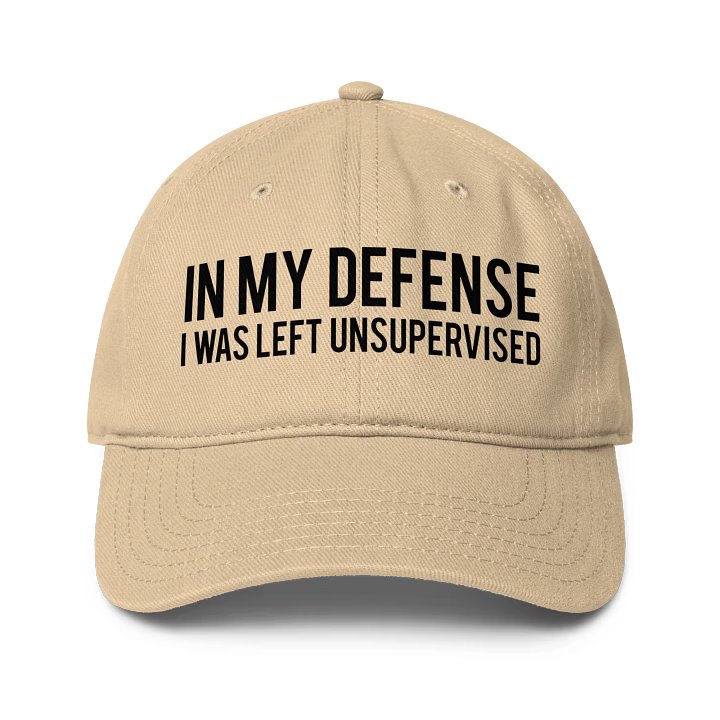
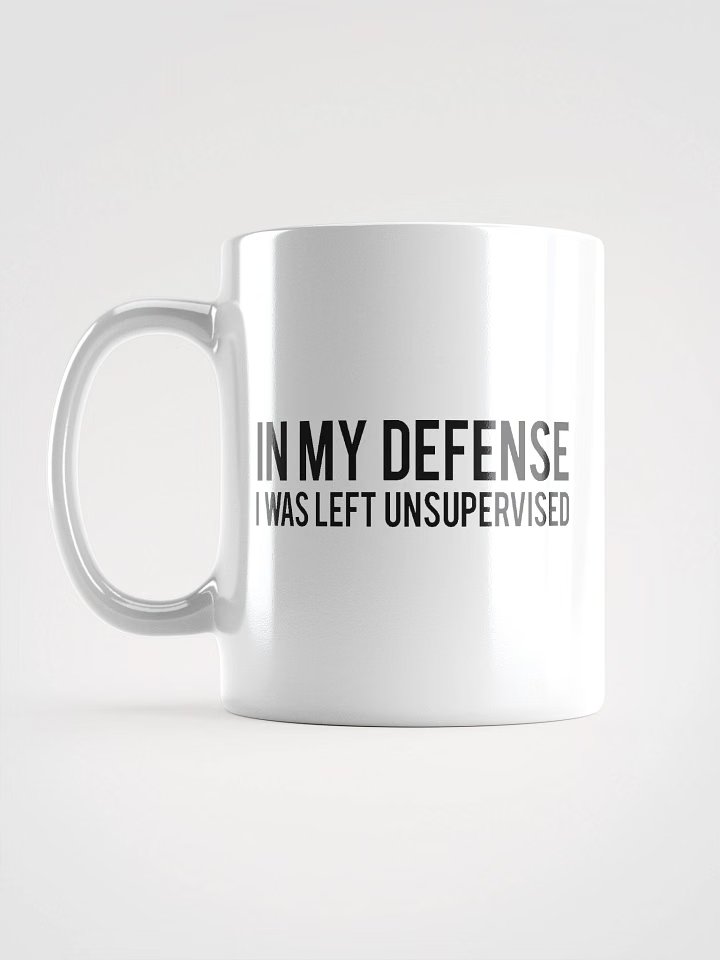
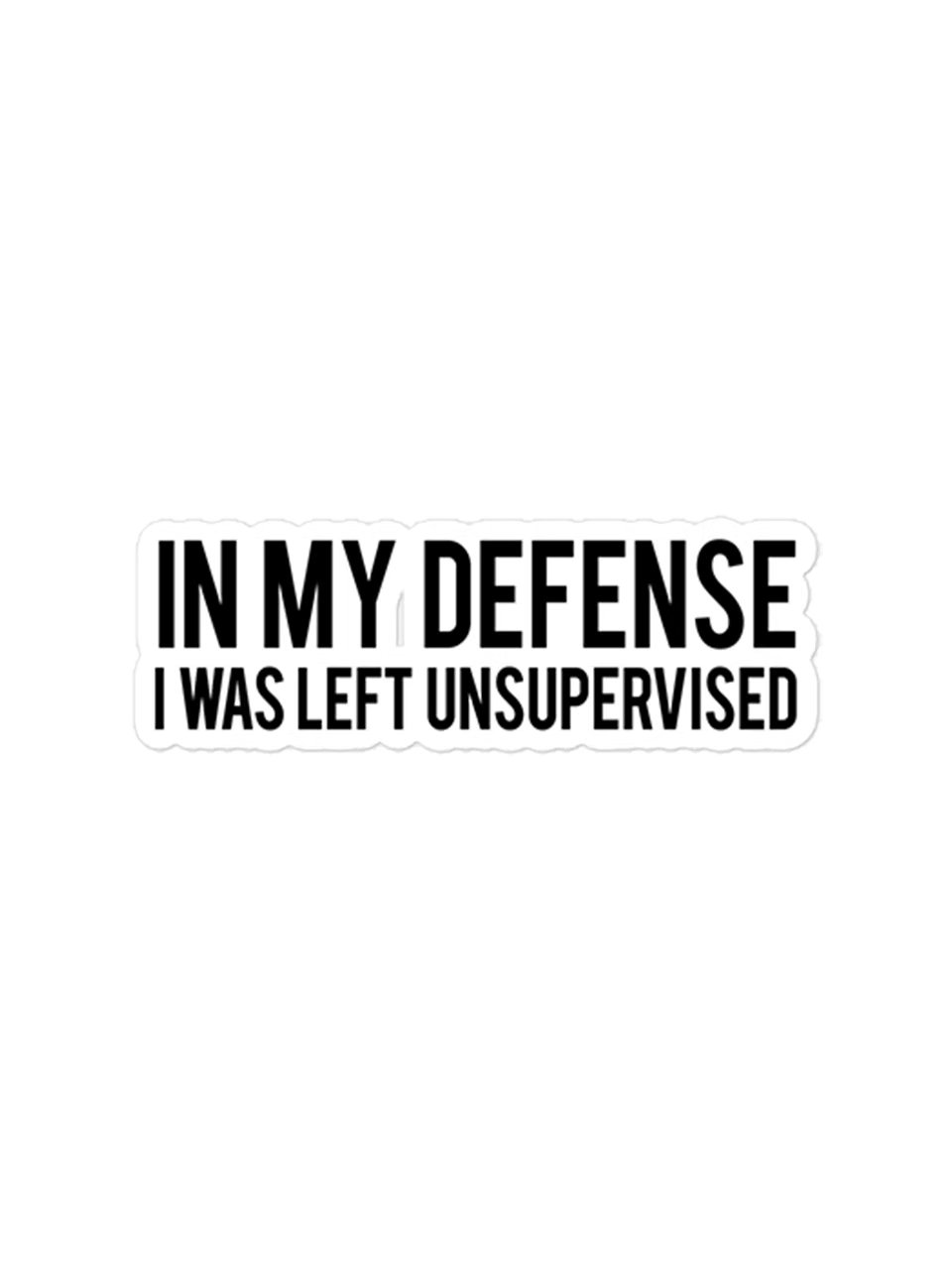
You can also find it on everyday items like a humorous unsupervised mug, a decorative unsupervised sticker, or even a stylish unsupervised hat. Wearing or displaying the quote often signals a playful personality and a sense of humor about one's own mistakes.
In everyday conversation, the quote functions as a lighthearted response. When someone is asked about a minor or amusing mistake, using this phrase can defuse tension and turn the moment into a joke. Instead of sounding defensive, it makes the speaker seem self-aware and approachable.
Examples of Using the Quote
Seeing the quote in context makes it easier to understand why it works so well. Here are some common and relatable examples:
- "I ate the entire cake. In my defense, I was left unsupervised."
- "I stayed up all night reorganizing my room. In my defense, I was left unsupervised."
- "The kitchen is a mess. In my defense, I was left unsupervised."
- "I started a simple project and turned it into a full makeover. In my defense, I was left unsupervised."
It can also be used in more specific scenarios:
- After trying a recipe that did not go as planned: "In my defense, I was left unsupervised."
- After posting something a bit unexpected on social media: "In my defense, I was left unsupervised."
- After making a harmless but messy mistake at home: "In my defense, I was left unsupervised."
These examples show how flexible the quote is. It works best in situations that are harmless but slightly chaotic. The phrase does not actually justify the behavior. Instead, it invites others to laugh along, which is why it remains so effective.
Similar Quotes and Phrases
If you enjoy this quote, there are many similar phrases that rely on self-awareness and humor to soften mistakes:
- "It seemed like a good idea at the time."
- "My bad."
- "Oops."
- "I regret nothing."
- "That was not my finest moment."
There are also more playful variations that follow the same idea:
- "In my defense, the moon was full."
- "The devil made me do it."
- "Hold my beer."
These phrases share a common theme. They allow people to acknowledge mistakes without taking themselves too seriously. Instead of focusing on blame, they turn the situation into something relatable and entertaining.
If you like this type of edgy or humorous expression, you might also find similar themes in collections like dark humor "attempted murder" designs or bold slogan styles such as F-CAW-F graphic apparel, which reflect the same spirit of playful, unapologetic humor.
Overall, these expressions reflect a broader trend in modern communication. People are more comfortable laughing at small mistakes, and phrases like these make that easier in a simple and memorable way.
Conclusion
In the end, "In my defense I was left unsupervised" stands as a perfect example of how a simple, witty line can evolve into a lasting piece of modern humor. Most commonly attributed to Lee St. John, the quote has grown far beyond any single source, becoming a shared expression used by millions of people in everyday life.
What makes this phrase truly memorable is not just its origin, but its tone and versatility. It captures a familiar experience: recognizing a small, harmless mistake and choosing to respond with humor instead of seriousness. That balance between self-awareness and lightheartedness is exactly why it continues to resonate across different platforms and audiences.
From social media captions to printed merchandise, the quote has become a kind of "digital confession." It allows people to admit small mistakes while keeping the tone light and relatable. In a world where perfection is often expected, this phrase offers something refreshing. It reminds us that it is okay to be imperfect, as long as we can laugh about it.
Ultimately, the lasting popularity of this quote comes down to one simple idea: people connect with honesty, especially when it is wrapped in humor. Whether you are explaining a harmless mistake or just embracing a chaotic moment, this line provides the perfect response.
And perhaps that is why it continues to be searched, shared, and enjoyed today. Sometimes, the best explanation is not a serious one at all. Sometimes, it is simply this:
In my defense, I was left unsupervised.