What Is the Desperado Club?
If you have come across the phrase “what is the Desperado Club” while reading online discussions or exploring the Dungeon Crawler Carl fandom, you are not alone. Many readers search for the term after encountering it in Matt Dinniman’s popular LitRPG series. The Desperado Club is not a real-world nightclub. Instead, it is a fictional location inside the dangerous dungeon world where Carl and Princess Donut struggle to survive.
In Dungeon Crawler Carl, locations are never just background scenery. They often feel like living parts of the story, shaping danger, power, survival, and social hierarchy all at the same time. The Desperado Club stands out because it feels much larger than a simple setting. It functions as a nightlife venue, a black market, a meeting place, and a high-risk social hub for crawlers navigating the dungeon.
For fans, the club is memorable because it perfectly matches the series’ mix of dark humor, absurdity, violence, and detailed world-building. It feels glamorous on the surface, but threatening underneath. Whether readers encounter it through the books, the audiobooks, Reddit discussions, or the growing tabletop game community, the Desperado Club quickly becomes one of the most recognizable parts of the series.
This article explains what the Desperado Club is, where it comes from, what happens inside it, and why fans continue talking about it years after first reading the books.
What Is the Desperado Club?
At its core, the Desperado Club is one of two major dungeon-based clubs available to crawlers in Dungeon Crawler Carl. The other is Club Vanquisher, and the two memberships are generally considered mutually exclusive. A crawler usually belongs to one or the other, which immediately turns the clubs into symbols of identity inside the dungeon system.
Membership in the Desperado Club is linked to a Desperado Pass Tattoo, which acts as both an access pass and a social marker. Carl himself receives the tattoo early in the series, signaling what type of crawler he is becoming. The club’s branding reinforces that identity. Its logo is a stylized blood-dripping knife, and its slogan is the unforgettable phrase: “So fun it hurts.”
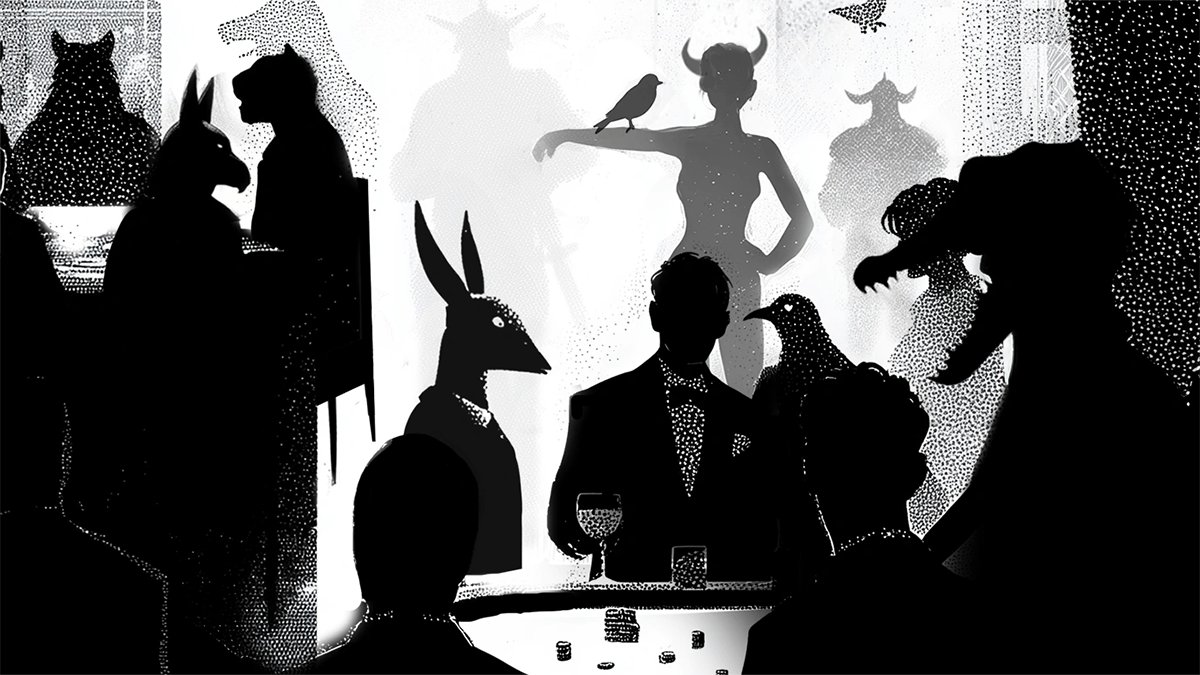
Physically, the Desperado Club appears throughout the dungeon world in settlement areas and transfer stations. On the Iron Tangle, it can typically be found at transfer stations ending in the number 1. The club’s exterior sometimes resembles a 1920s New York skyscraper, giving it an art deco and noir-inspired aesthetic that feels very different from the standard fantasy tavern common in LitRPG stories.
Inside, the club functions as far more than a simple nightclub. It combines elements of a casino, black market, guild hub, resistance center, and underground social space. Fans often describe it as a combination of a Wild West saloon, a speakeasy, and a futuristic criminal underworld. The atmosphere has even been compared to the cantina from Star Wars or the stylish criminal hotels from John Wick.
The club also reflects the kind of crawlers who belong there. Unlike Club Vanquisher, which is tied to clerics, paladins, and more orderly character types, the Desperado Club caters to rogues, tricksters, gamblers, smugglers, and survivors willing to bend rules in order to stay alive.
Where Does the Desperado Club Come From?
The Desperado Club first appears in Carl’s Doomsday Scenario, the second book in the Dungeon Crawler Carl series. Its first appearance occurs in Book 2, Chapter 12. From that point forward, it becomes an important recurring location throughout the series.
To fully understand where the club comes from, it helps to understand the world of Dungeon Crawler Carl itself. The series takes place after Earth is transformed into a giant multi-floor dungeon controlled by alien corporations. Human survivors are forced to participate in a brutal dungeon crawl that is broadcast across the galaxy as entertainment for alien audiences. Survival becomes part reality show, part gladiator arena, and part game system.
Within that framework, the dungeon is not just a maze filled with monsters. It is a carefully designed entertainment product with economies, guilds, social systems, factions, and themed locations. The Desperado Club exists as part of that infrastructure. It gives crawlers a place to gather, negotiate, trade, gamble, recruit allies, and conduct secret business between deadly dungeon encounters.
The club is also strongly connected to the Syndicate, one of the underground factions operating within the dungeon. Certain characters tied to the club use it as a location for covert meetings, information exchange, and black market activity. That connection gives the club a political dimension beyond simple entertainment.
Its name matters as well. The word “desperado” traditionally refers to a reckless outlaw or dangerous criminal. That identity fits perfectly with the type of crawlers associated with the club. The Desperado Club belongs to survivors who rely on improvisation, deception, violence, and moral flexibility rather than noble ideals or strict rules.
Carl’s early membership in the club tells readers a great deal about his personality. He is not portrayed as a perfect hero or honorable knight. He survives through creativity, stubbornness, and a willingness to do what is necessary. In many ways, the Desperado Club represents the type of survivor Carl becomes throughout the series.
What Happens Inside the Desperado Club?
The Desperado Club is structured as a large multi-floor entertainment complex hidden inside the dungeon. Access to deeper parts of the club unlocks as crawlers progress through lower dungeon floors. The further a crawler advances, the more dangerous and exclusive the club becomes.
The entrance functions as a general pub area connected to the surrounding settlement. Beyond that lies the Main Room, which serves as the club’s central nightclub space. It contains dance floors, bars, loud music, heavy crowds, and constant activity. Unlike safe rooms elsewhere in the dungeon, the Main Room is not fully protected. Crawlers can still attack one another there, which keeps the atmosphere tense even during social gatherings.
One interesting feature is the use of NPC bots to keep the club populated at all times. Even when crawler populations are low, the club still appears crowded and alive. This detail helps the setting feel believable and immersive rather than empty or artificial.
The club also includes a casino that appears across all three floors of the complex. Unlike the bright chaos of a Las Vegas casino, the Desperado Club casino has a darker and more stylish atmosphere. Games include roulette, card tables, craps, and a dangerous Wheel of Fortune filled with unpredictable rewards and punishments. Guards monitor the casino constantly, adding another layer of tension to every interaction.
Another major feature is the Silk Road market area, which provides access to rare goods, illegal items, specialty vendors, and rogue-oriented supplies. Nearby guild hallways contain skill guilds connected to lockpicking, sleight of hand, explosives, dodging, and other unconventional survival skills. These areas reinforce the club’s identity as a haven for morally gray or highly adaptive crawlers.
The Desperado Club also offers privacy mechanics for sensitive conversations. Crawlers can create privacy bubbles that dampen surrounding sound and prevent eavesdropping. For famous or high-risk crawlers, the club can even provide private security bodyguards for a fee.
Most importantly, the club serves as a narrative crossroads throughout the series. Carl and Princess Donut repeatedly use the Desperado Club to gather information, meet allies, negotiate deals, avoid assassins, and prepare for future dungeon floors. Some of the series’ most important social encounters, betrayals, and confrontations happen there.
Because of that, the Desperado Club becomes much more than a background location. It evolves into a symbol of the dungeon’s underground culture and one of the clearest examples of the series’ rich world-building.
What Does “Desperado” Mean?
The word “desperado” traditionally refers to a reckless outlaw or dangerous criminal, especially one associated with the American frontier and Wild West imagery. Dictionary definitions often describe a desperado as someone willing to take extreme risks or operate outside normal rules and laws.
The word itself has deeper roots connected to the idea of desperation. Historically, a desperado was someone who had lost hope in ordinary society and decided to survive by their own methods instead. That meaning fits Dungeon Crawler Carl surprisingly well because the crawlers are people who have lost their old world and been thrown into a brutal survival system they never chose.
In the context of the series, the Desperado Club represents those who survive through improvisation, cunning, manipulation, and calculated violence. The club is associated with gambling, underground trade, criminal networks, risky deals, and morally gray survival tactics. It is not a place for idealistic heroes. It is a place for survivors willing to break rules if necessary.
The name also helps establish the club’s tone. Rather than feeling noble or honorable, the Desperado Club embraces unpredictability and danger. That is why many readers compare it to a futuristic outlaw saloon mixed with a noir-inspired underground casino.
Carl himself fits the title well. He is not a chosen hero in shining armor. He is an exhausted, angry survivor who constantly adapts to impossible situations through intelligence and unconventional tactics. In many ways, Carl is the perfect example of a desperado.
Desperado Club vs. Other Clubs in the Series
The biggest comparison in the series is between the Desperado Club and Club Vanquisher. Together, they form two opposite sides of the dungeon’s social structure.
Club Vanquisher is generally associated with clerics, paladins, religious followers, and more disciplined character types. Its atmosphere is calmer, cleaner, and more structured. In many descriptions, it resembles a temple or country club, complete with stained glass windows, healers, and polite social spaces.
The Desperado Club, by contrast, feels chaotic, loud, and morally flexible. It is associated with rogues, smugglers, gamblers, assassins, tricksters, and survivors who operate outside traditional heroic ideals. Instead of soft music and holy imagery, the Desperado Club features jazz-inspired casinos, underground markets, private booths, dangerous social encounters, and bloody branding.
Even the membership systems highlight this contrast. Club Vanquisher members receive rings, while Desperado Club members receive tattoos. One club emphasizes order and respectability. The other embraces danger and rebellion.
The clubs also symbolize two different survival philosophies within the dungeon. Club Vanquisher represents faith, teamwork, structure, and institutional support. The Desperado Club represents independence, improvisation, personal survival, and moral ambiguity.
That contrast is one reason fans find the Desperado Club more memorable. Its atmosphere feels unpredictable and cinematic. Readers never know whether a scene inside the club will turn into a negotiation, a party, a betrayal, or a deadly fight.
Interestingly, there are rare exceptions where certain classes or gods allow access to both clubs. Carl himself briefly gains access to Club Vanquisher through an arrangement tied to the god Emberus. However, his personality and survival style clearly fit the Desperado Club much more naturally.
Why Is the Desperado Club Popular Among Fans?
The Desperado Club has become one of the most iconic locations in Dungeon Crawler Carl because it captures nearly everything fans love about the series at once. It combines absurd humor, detailed world-building, violence, social satire, underground politics, and memorable visual design into a single location.
One major reason for its popularity is the aesthetic. Instead of generic fantasy taverns or medieval guild halls, the Desperado Club uses a noir-inspired 1920s atmosphere filled with jazz, casinos, dark lighting, crowded dance floors, and criminal energy. The image of Carl walking through a dangerous underground nightclub while wearing his leather jacket feels unique within the LitRPG genre.
Fans also love the club because many important scenes happen there. Alliances are formed, betrayals unfold, information is traded, and dangerous negotiations take place inside its walls. The club becomes a recurring landmark across multiple books, giving readers a familiar place to revisit as the story grows larger and more complicated.
Another reason is how alive the location feels. The Desperado Club contains guards, bartenders, merchants, guild leaders, Syndicate contacts, gamblers, entertainers, and NPC crowds. It functions almost like a city hidden inside the dungeon rather than a simple stop between battles.
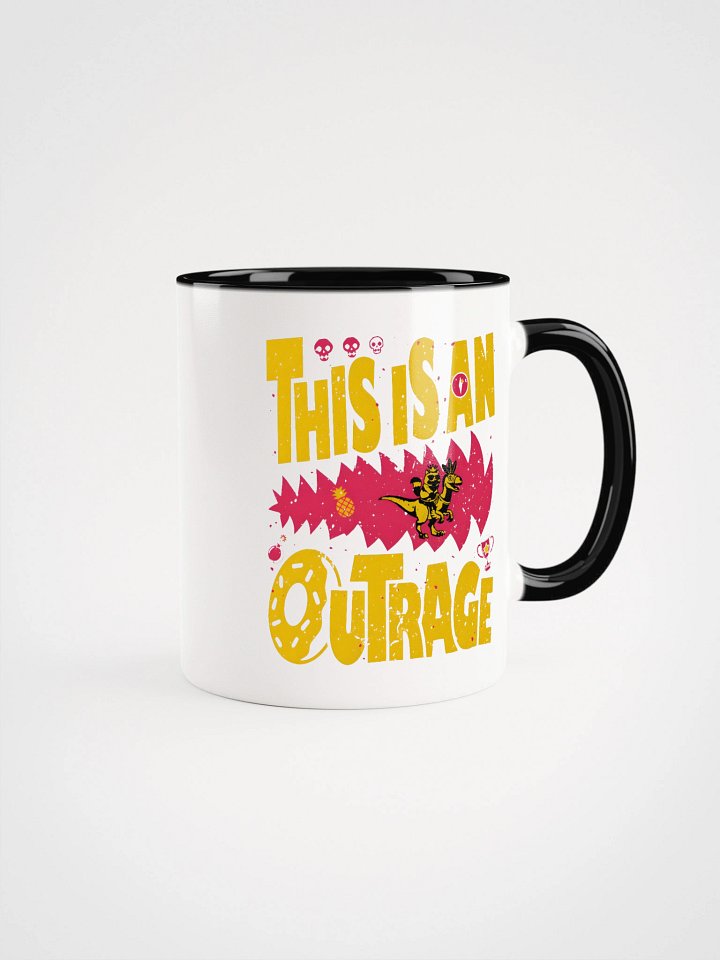
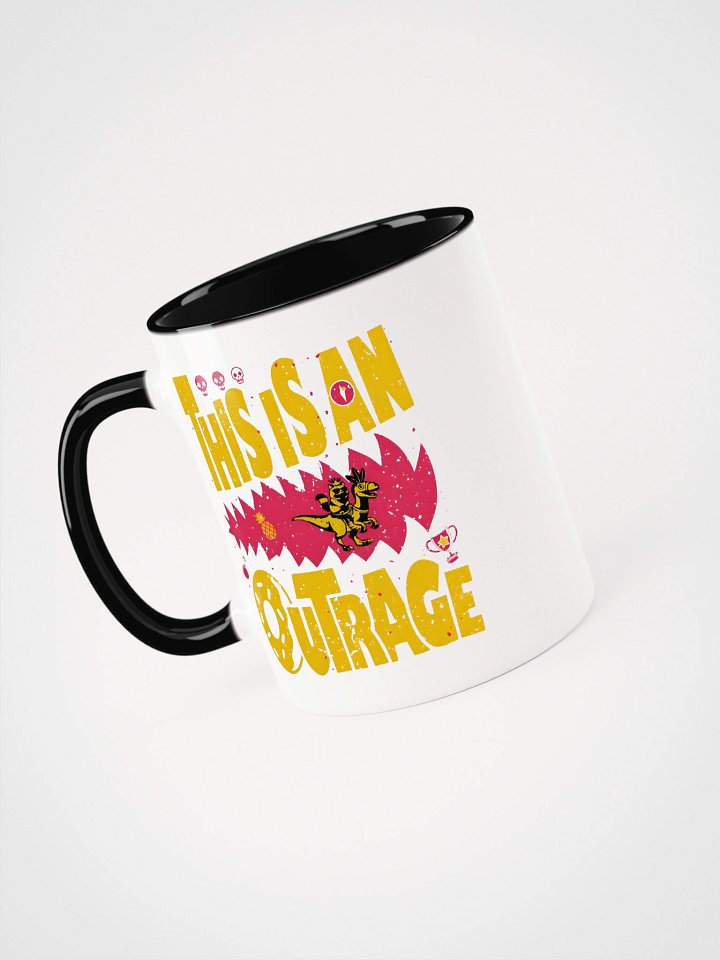
The club has also crossed into the broader fandom culture. Fans regularly discuss it on Reddit, create artwork inspired by its logo, and reference its tagline “So fun it hurts.” The Dungeon Crawler Carl tabletop game adaptation even includes Desperado Club themed collectibles and accessories, showing how important the location has become to the franchise’s identity.
More than anything, the club reflects Carl himself. It represents the survival style that defines his journey throughout the series. He wins not because he is the strongest or purest character, but because he adapts, improvises, and refuses to surrender. The Desperado Club embodies that same energy.
Conclusion
So, what is the Desperado Club?
In Dungeon Crawler Carl, it is far more than a fictional nightclub. The Desperado Club serves as a social hub, casino, underground market, faction meeting place, and symbol of the dungeon’s outlaw culture. It is one of the series’ most memorable locations because it blends entertainment, danger, politics, and dark humor into a single unforgettable setting.
Its outlaw-inspired name perfectly matches its atmosphere. The club belongs to crawlers who survive through risk-taking, improvisation, and moral flexibility rather than strict heroism or order. Compared to safer and more respectable places like Club Vanquisher, the Desperado Club feels louder, riskier, and far more unpredictable.
For readers, that unpredictability is exactly what makes it so compelling. Whether fans remember the jazz-filled casino, the hidden markets, the dangerous negotiations, or Carl’s Desperado Pass Tattoo, the club remains one of the clearest examples of why Dungeon Crawler Carl stands out within the LitRPG genre.
The tagline says it best: “So fun it hurts.”