What Does "I Had Potential" Ryan Gosling Mean?
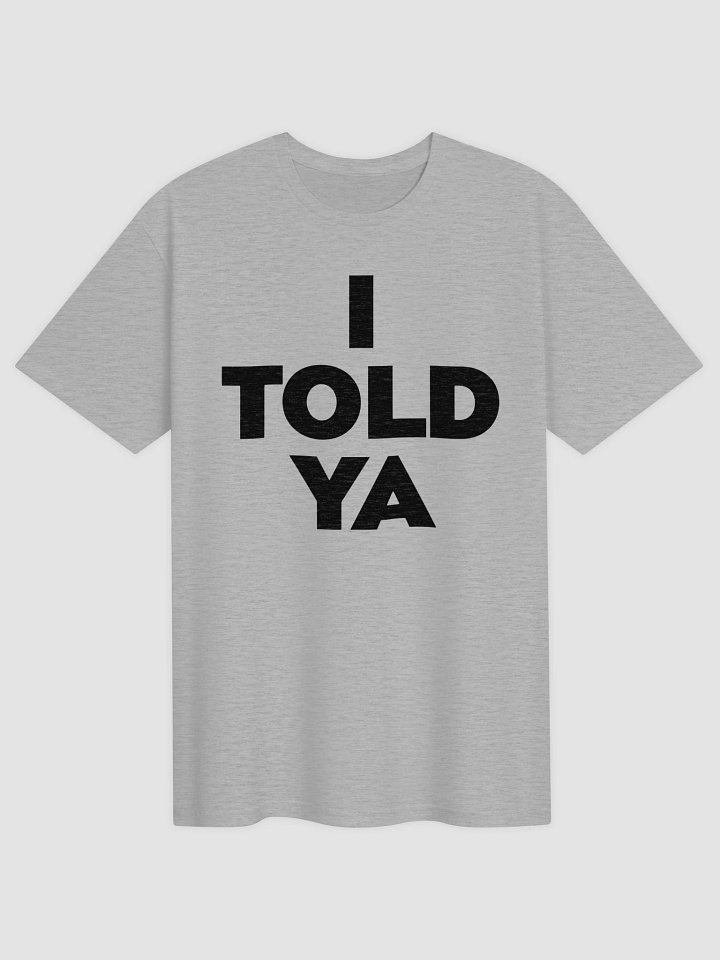
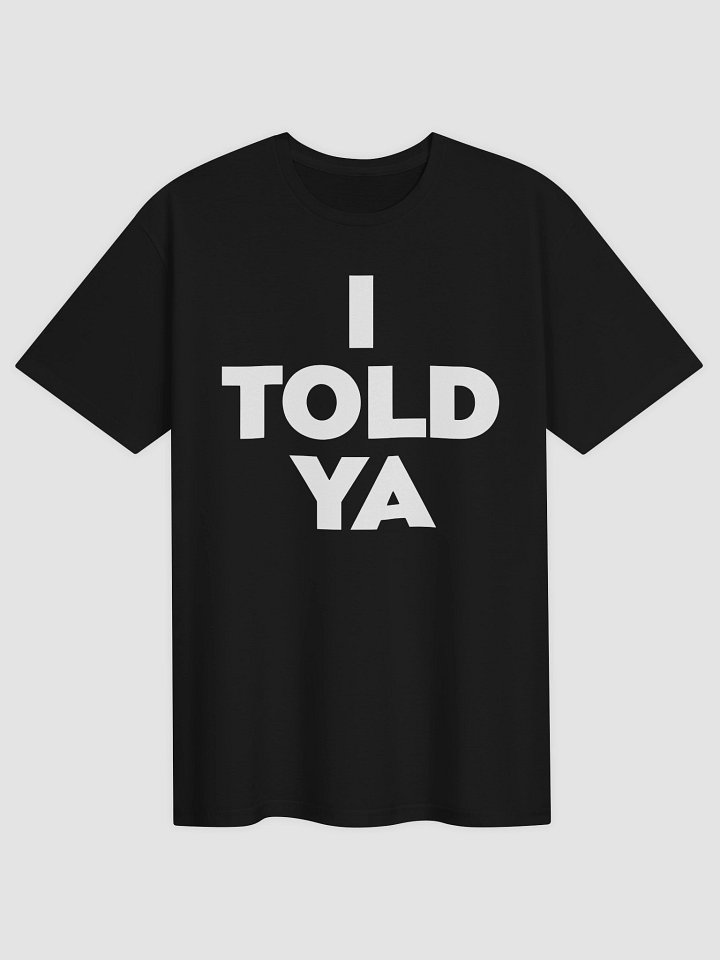
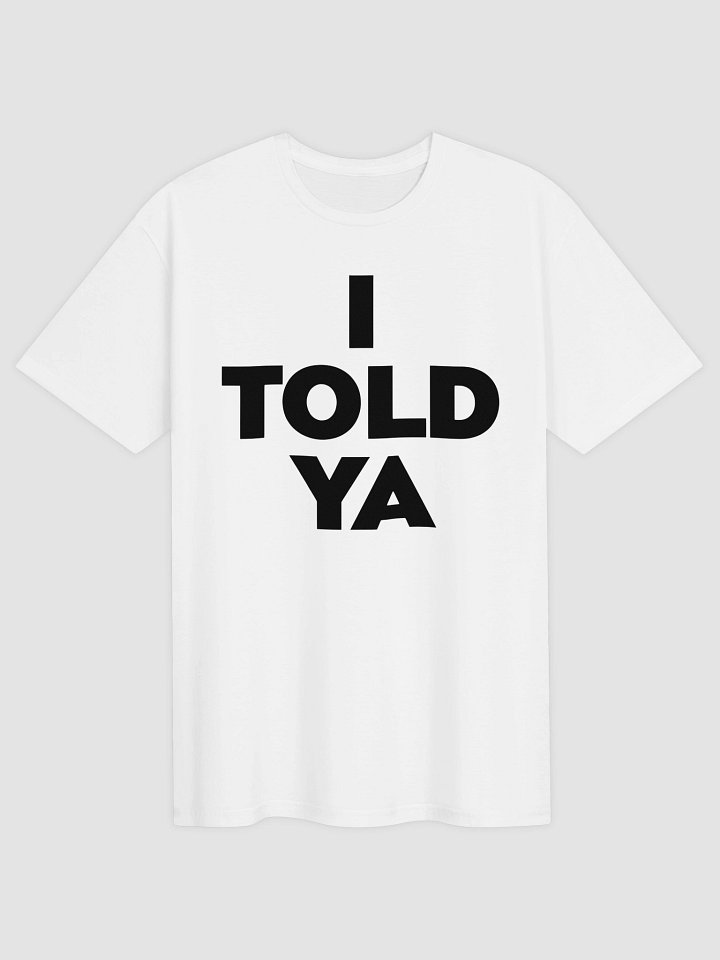
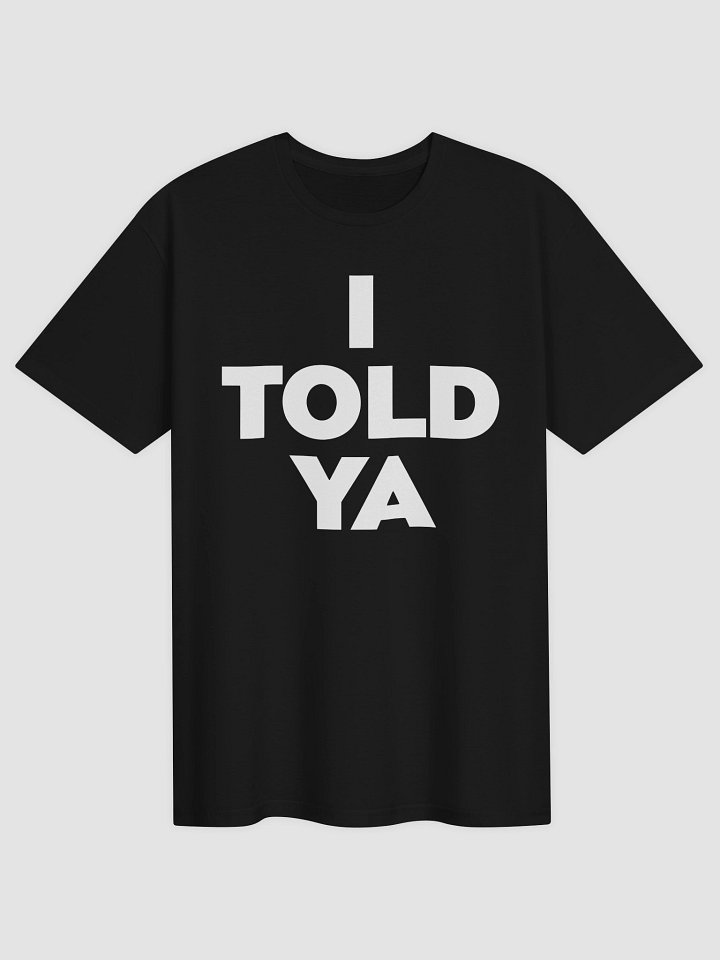
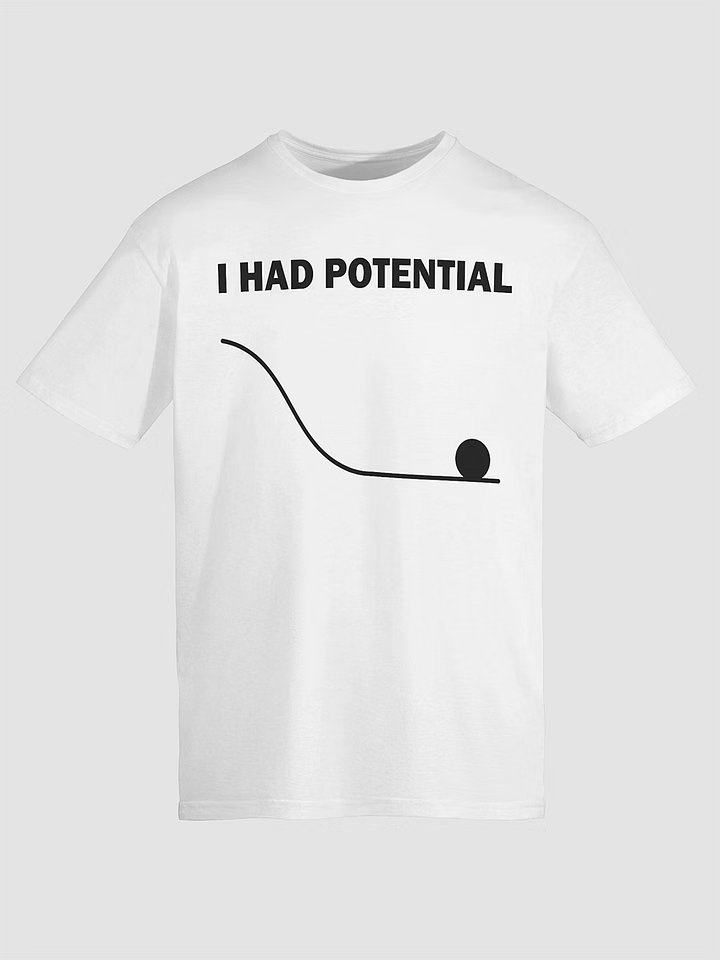
If you have been anywhere near social media recently, you have probably seen the phrase "I Had Potential" Ryan Gosling pop up in memes, captions, or even on T-shirts. In fact, it has become popular enough to inspire real merchandise like this I had potential T shirt and even full themed collections such as the I had potential collection. At first glance, it sounds like a serious or even emotional statement. It feels like something reflective, maybe even a little regretful.
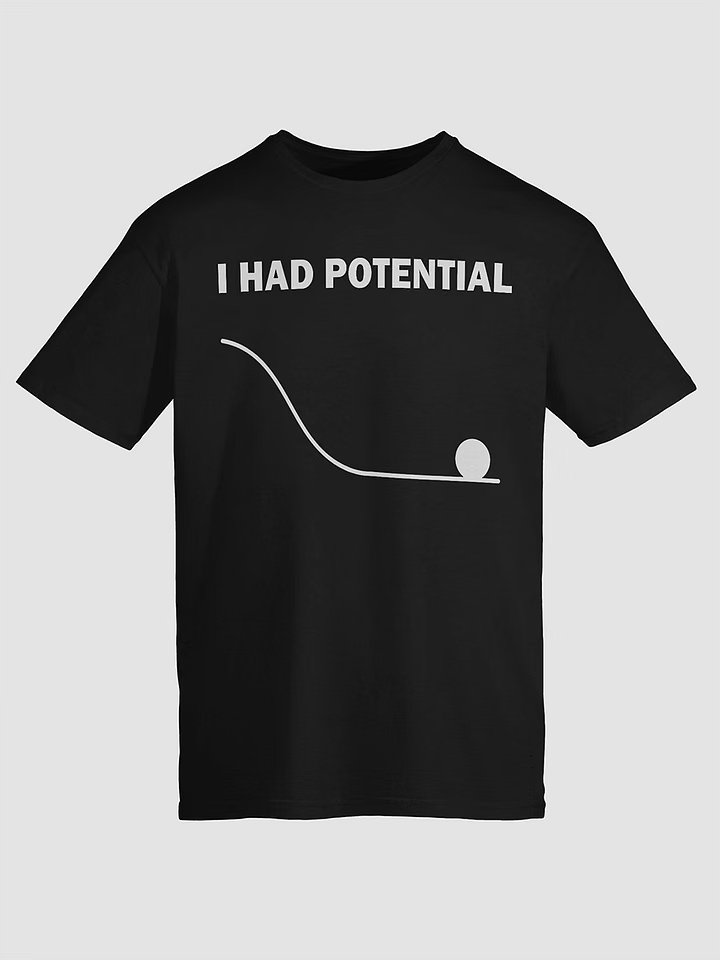
But that first impression is misleading. The phrase is actually part of a clever science joke connected to Ryan Gosling and his role in Project Hail Mary. In the film, his character wears a series of witty, self-aware T-shirts built around science humor, and one of them reads "I had potential."
What makes the phrase so interesting is how easily it tricks the brain. It sounds like a deep personal confession, but it is really a playful reference to physics. That contrast is exactly why it has captured so much attention online. It sits right at the intersection of pop culture, science humor, and internet irony.
What "I Had Potential" Actually Means
At its core, "I had potential" is a science pun. In physics, potential energy refers to stored energy, or energy that has the ability to do work but has not been used yet. When you turn that concept into a sentence like "I had potential," it suddenly sounds personal instead of scientific.
This is where the humor comes from. The phrase has two meanings at the same time. One is literal and rooted in science. The other feels emotional, as if someone is talking about missed opportunities or unrealized talent. That dual meaning makes the line both clever and relatable.
It also fits naturally within the world of Project Hail Mary. The story revolves around science, problem-solving, and a character who thinks in scientific terms. Because of that, the joke does not feel forced. Instead, it feels like something the character would genuinely wear or find funny.
In everyday language, "I had potential" is often used to describe someone who once seemed capable of great things but did not fully achieve them. The phrase cleverly borrows that emotional tone while still staying true to its scientific roots.
Why Ryan Gosling Is Connected to the Phrase
The connection between Ryan Gosling and the phrase comes directly from his role in Project Hail Mary, which is based on the novel by Andy Weir. Gosling plays Ryland Grace, a school teacher and scientist who is unexpectedly chosen for a mission to save humanity.
In the film, Grace wears several T-shirts featuring science jokes, including lines like "I wear this shirt periodically" and "Ah! Element of surprise." Among them, "I had potential" stands out the most because it works on both an intellectual and emotional level.
The phrase became strongly associated with Gosling because of his performance and his existing presence in pop culture. He is already known for roles that balance intelligence, subtle humor, and emotional depth. That makes a line like "I had potential" feel perfectly aligned with his on-screen persona.
There is also a practical reason. When a globally recognized actor like Gosling is attached to a memorable line or visual detail, it spreads faster. A simple T-shirt slogan can quickly turn into a widely shared reference, especially when it is tied to a major science fiction release.
Why "I Had Potential" Became a Meme
"I had potential" became a meme because it is built almost perfectly for internet culture. It is short, easy to remember, and flexible enough to be used in many different situations.
One of the biggest reasons for its popularity is its double meaning. People can use it as a science joke, but they can also use it as a self-deprecating comment about their own lives. That flexibility makes it ideal for memes, captions, and reaction images.
The timing also helped. The release of Project Hail Mary brought attention to the phrase, while Ryan Gosling's long-standing meme status gave it momentum. He has been part of internet culture for years, so anything associated with him already has a built-in audience.
Most importantly, the phrase feels relatable. Even if someone does not understand the physics reference, they can still connect with the idea behind it. It captures a universal feeling in a simple, humorous way. That combination of clarity, humor, and emotional undertone is exactly what allows a phrase to move beyond a movie and become part of everyday internet language.
The Deeper Meaning Behind the Phrase
On the surface, "I had potential" is just a clever physics joke. But the reason it resonates so strongly is because it also sounds like something deeply personal. Outside of science, the phrase suggests missed opportunities, unrealized talent, or the feeling that someone once showed promise but did not fully live up to it.
That contrast between scientific meaning and emotional interpretation is what gives the phrase its lasting impact. It allows people to laugh at the joke while still recognizing a hint of truth behind it. In many ways, the humor works because it feels honest without becoming too serious.
There is also a universal quality to the idea. Most people, at some point, have imagined a different version of their future. The phrase captures that gap between expectation and reality in a simple, almost casual way. Instead of turning that feeling into something heavy, it reframes it as a shared joke.
That balance is important. "I had potential" is not just about failure. It is about self-awareness. It gives people a way to acknowledge imperfections while still keeping a sense of humor. That is why it feels memorable rather than just clever.
How People Use the Phrase Today
Today, "I had potential" is widely used across social media as a short, ironic caption. People often pair it with images that highlight everyday struggles or small disappointments. It could be a photo of an unfinished project, a failed workout plan, or a messy desk. The phrase works because it instantly communicates the joke without needing explanation.
It is also commonly used in a self-deprecating way. People use it to describe themselves when joking about school, work, hobbies, or life choices. The tone is usually light and playful rather than negative. That makes it feel relatable instead of discouraging.
Beyond social media, the phrase has also appeared on T-shirts and fan merchandise inspired by Project Hail Mary. Many fans choose to wear items like the I had potential T shirt or browse similar designs in the broader I had potential collection. The design is simple, and the humor is subtle, which makes it appealing as something people would actually wear. It feels less like a movie prop and more like a real piece of everyday fashion.
In this way, the phrase has moved beyond its original context. It now functions as a flexible expression that people can adapt to their own experiences, whether they are joking with friends or posting online.
Related Ryan Gosling Meme Culture
The success of "I had potential" is not an isolated case. It fits into a much larger pattern of internet culture surrounding Ryan Gosling. Over the years, Gosling has become one of the most recognizable figures in meme culture.
One early example is the "Hey Girl" meme, which spread widely online by pairing images of Gosling with humorous or exaggerated romantic captions. Later, his roles in films like Drive and Blade Runner 2049 contributed to the rise of the "literally me" trend, where audiences project their own emotions and identity onto fictional characters.
What makes Gosling especially effective in memes is his ability to balance sincerity and irony. His characters often appear calm, introspective, or slightly detached, which makes them easy to reinterpret in different ways. At the same time, there is usually an underlying sense of vulnerability or humor.
In Project Hail Mary, this image evolves again. His character Ryland Grace is more openly awkward and humorous, but still relatable. The "I had potential" phrase fits naturally into this persona. It reinforces the idea that Gosling's characters are not just impressive or cool, but also human and imperfect.
Because of this long history, any new phrase linked to him already has a strong foundation. The meme spreads faster because it feels like part of an ongoing story rather than something completely new.
Conclusion
So, what does "I Had Potential" Ryan Gosling mean? At its core, it is a simple science pun based on potential energy. But its real appeal comes from its double meaning. It is both a joke and a quiet reflection on life.
Through Project Hail Mary, the phrase moved from a small costume detail to a widely recognized meme. Ryan Gosling's presence helped amplify it, but the idea itself is what made it stick. It is short, relatable, and emotionally recognizable.
In the end, the phrase works because it turns something slightly uncomfortable into something people can laugh about. It captures a feeling many people share, then presents it in a simple and clever way. That combination of humor and honesty is what allows it to last beyond the movie and become part of everyday internet culture.