What Does “Got Too Silly Goose Shirt” Mean?
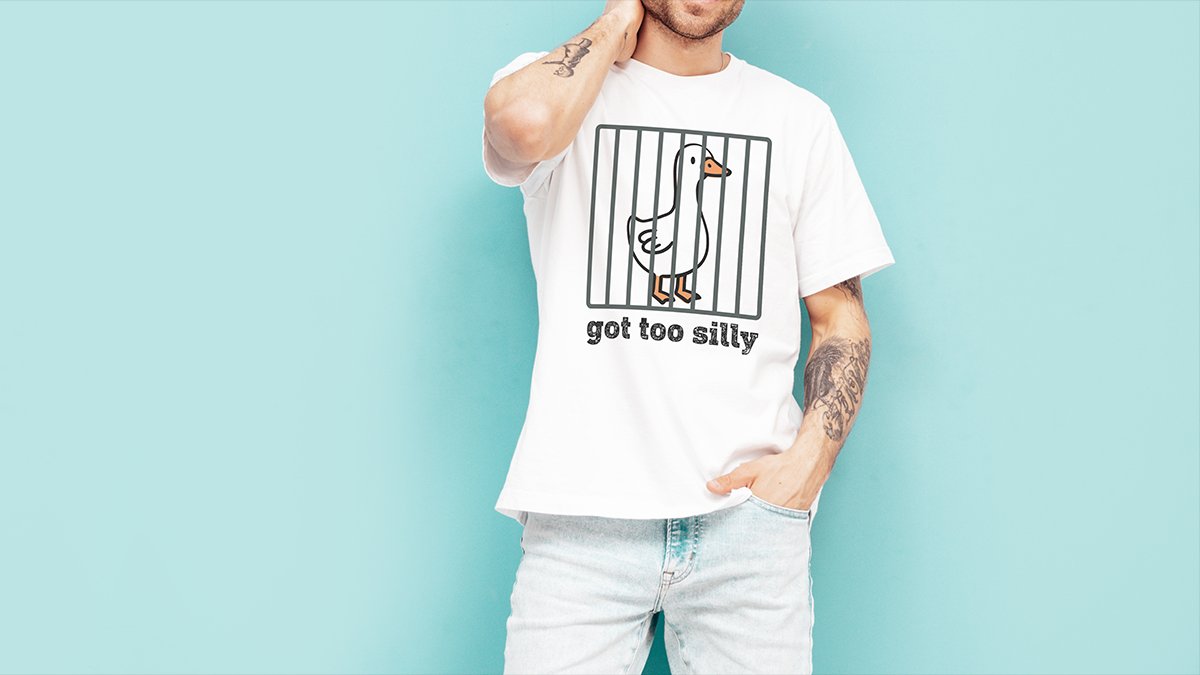
Ever seen a T-shirt that says “Got Too Silly Goose” and wondered what it means? This quirky phrase feels random at first, yet somehow instantly funny. It blends playful slang with a kind of imaginary story about going too far with fun. Many designs even show a goose in “jail” for so-called “crimes against seriousness,” turning the phrase into a visual joke as well as a slogan.
The phrase “got too silly goose shirt” is not a formal English expression. Instead, it belongs to the same category of internet-driven humor that appears in meme shirts, novelty apparel, and viral social media trends. If you have browsed online stores or scrolled through platforms like TikTok or Instagram, you have probably seen similar phrases such as “Silly Goose Shirt” or “Funny Meme Tee.” These are meant to be funny, catchy, and slightly absurd.
What makes this phrase interesting is how it combines old language with modern humor. “Silly goose” has existed in English for centuries, while “got too silly” feels like something straight out of meme culture. Together, they create a phrase that feels both familiar and ridiculous at the same time.
In this article, we will break down the meaning behind “silly goose,” explain the full phrase “got too silly goose,” and explore why it has become such a popular slogan on T-shirts.
What Does “Silly Goose” Mean?
Before understanding the full phrase, it is important to start with the core expression: “silly goose.”
In English, “silly goose” is a playful and affectionate way to describe someone who is acting goofy, foolish, or a little ridiculous. It is not meant to insult. Instead, it is usually used in a friendly or teasing tone. For example, a parent might say it to a child who is being playful, or friends might use it when joking around.
The phrase has a long history. Its roots can be traced back to the 16th century, when the word “silly” originally meant innocent or simple rather than foolish. Over time, its meaning shifted to what we understand today as goofy or not serious. Meanwhile, the word “goose” became associated with foolishness in English culture.
In fact, by the 18th century, the writer Samuel Johnson defined “goose” in his dictionary as a bird “noted… for foolishness.” This shows that the idea of a goose representing silliness has been around for hundreds of years.
There are several theories about why geese became linked to foolish behavior:
- Their awkward, waddling movement on land
- Their role in fables as easily tricked animals
- Cultural symbolism that connected geese with simplicity or naivety
Today, “silly goose” has a much softer meaning. It suggests harmless fun rather than real stupidity. Calling someone a “silly goose” is closer to saying they are a goofball than calling them unintelligent.
In modern internet culture, the phrase has even made a comeback. People now use it to describe themselves in a humorous, self-aware way, especially when they are acting chaotic, playful, or unserious.
Breaking Down “Got Too Silly Goose”
The phrase “got too silly goose” builds on the original expression by adding a sense of exaggeration and consequence.
Let’s break it down:
- “Got too” suggests going beyond a normal limit
- “Silly” refers to playful or foolish behavior
- “Silly goose” reinforces the idea of goofy, harmless chaos
When combined, the phrase implies that someone became so silly that they crossed a line. It takes the harmless idea of being a “silly goose” and pushes it further into absurd territory.
This is where the humor comes from. The phrase hints at a fake consequence, often shown in shirt designs where the goose ends up in jail for being “too silly.” It turns a simple personality trait into a dramatic and ridiculous outcome.
In a way, it works like a mini storytelling joke:
- Step 1: You are a silly goose
- Step 2: You get even sillier
- Step 3: You go too far
- Step 4: You face imaginary consequences
This structure makes the phrase feel like a humorous warning. It suggests that being a little silly is fine, but being too silly leads to chaos.
What Does “Got Too Silly Goose Shirt” Mean?
A “Got Too Silly Goose Shirt” is more than just a piece of clothing. It is a humorous statement about personality, behavior, and not taking life too seriously.
At its core, the shirt represents:
- Someone who embraces being goofy or chaotic
- A playful exaggeration of having “too much fun”
- A self-aware joke about crossing the line into absurdity
Many versions of the shirt include visual elements, such as a goose behind bars, often labeled with funny “charges” like “crimes against seriousness” or “general silliness.” This adds another layer of humor by turning the phrase into a visual story.
Wearing the shirt sends a clear message:
- You enjoy internet humor
- You are comfortable being a little ridiculous
- You do not take yourself too seriously
For many people, it acts as a badge of identity. It says, “Yes, I might get a little too silly sometimes, and I am okay with that.” It can also serve as a conversation starter, since the phrase is unusual enough to catch attention and make people curious.
Ultimately, the meaning of a “Got Too Silly Goose Shirt” is not meant to be taken literally. It is about celebrating a carefree attitude and finding humor in the idea that sometimes, we all go a little too far with our silliness.
Why Is This Phrase Popular on T-Shirts?
The phrase “Got Too Silly Goose” fits perfectly into modern T-shirt trends, especially in the era of meme-driven fashion and self-expression. In recent years, humorous slogans have consistently ranked among the most popular categories in print-on-demand apparel. Shoppers are not just buying clothing, they are buying personality, identity, and a quick laugh.
One key reason for its popularity is simplicity. The phrase is short, easy to read, and instantly intriguing. Even if someone does not fully understand it at first glance, it creates curiosity, which is exactly what a good graphic T-shirt should do.
Another major factor is relatability. The idea of “getting too silly” reflects a common human experience. Everyone has had moments of being overly playful, chaotic, or unserious. The shirt turns that universal feeling into a joke that people can wear.
The phrase also aligns with several strong fashion and cultural trends:
- Humor-first design: Funny slogans are among the most shared and purchased T-shirt styles
- Self-expression: People increasingly use clothing to show personality rather than status
- Nostalgia: Simple slogan tees echo styles from the 1990s and early 2000s
- Social media influence: Viral phrases spread quickly and turn into wearable trends
In addition, the phrase delivers multiple emotional appeals at once:
- It uses self-deprecating humor, making fun of one’s own behavior
- It celebrates a free-spirited attitude
- It offers a form of low-stakes rebellion against being overly serious
- It works as a conversation starter in everyday situations
Finally, many designs include a visual element, such as a goose behind bars. This adds a storytelling layer that makes the shirt more memorable than text alone. The combination of simple wording and visual humor is what helps the phrase stand out in a crowded market.
Who Would Wear a “Got Too Silly Goose” Shirt?
A “Got Too Silly Goose” shirt appeals to a wide range of people, mainly because its humor is lighthearted and accessible. It is not tied to a specific subculture, which makes it suitable for many different audiences.
At its core, the shirt is for people who enjoy playful, low-pressure humor and do not take themselves too seriously. It works especially well as casual wear, where comfort and personality matter more than formality.
Some of the most likely wearers include:
- Fans of meme culture who recognize and enjoy internet-style humor
- People who like animal-themed designs, especially cute or funny ones
- Gift shoppers looking for something unique and amusing
- Individuals with a goofy or relaxed personality who want to express that side of themselves
The phrase also has strong gift appeal. Online marketplaces often categorize similar shirts as funny gifts for friends, family members, or coworkers. Because “silly goose” is friendly and non-offensive, it works across different age groups, from teenagers to adults.
In terms of personality, the ideal wearer is someone who:
- Enjoys being playful and lighthearted
- Is self-aware about their own quirks
- Values humor over seriousness
- Likes clothing that starts conversations
This is not a shirt for formal settings. Instead, it belongs in everyday situations like hanging out with friends, running errands, or attending casual events. It is designed for people who prioritize fun and individuality over strict style rules.
Similar Funny Shirt Phrases
The “Got Too Silly Goose” shirt is part of a much larger trend of humorous, meme-inspired slogans. These phrases often follow a similar formula: simple wording, playful tone, and a touch of absurdity.
Some closely related phrases include:
- “Silly Goose On the Loose”
- “Certified Silly Goose”
- “Goose on the Loose”
- “Too Silly to Function”
- “Goofy Mood Activated”
These variations show how flexible the “silly goose” concept has become. Each phrase keeps the same core idea but presents it in a slightly different way.
Beyond goose-themed designs, there are many other popular slogan styles that share the same humor pattern:
Self-deprecating humor:
- “In my defense, I was left unsupervised”
- “I’m not weird. I’m limited edition”
- “I’m just here for the snacks”
Animal-themed humor:
- “I work hard so my dog can have a better life”
- “Cat hair, don’t care”
- “Talk birdy to me”
Relatable lifestyle humor:
- “Coffee first, adulting second”
- “Surviving on caffeine and questionable decisions”
- “Mentally somewhere between a nap and a snack”
All of these phrases share common characteristics:
- A playful and non-serious tone
- Self-awareness about human flaws or habits
- Relatability to everyday experiences
- Short, memorable wording
They are designed to make people smile quickly, without requiring deep explanation. Like “Got Too Silly Goose,” their purpose is not to be logical or formal, but to be entertaining and expressive.
Conclusion
The phrase “Got Too Silly Goose Shirt” is a perfect example of how language, humor, and fashion come together in modern culture.
At its foundation, it builds on the long-standing expression “silly goose,” which has been used for centuries to describe someone in a playful and affectionate way. By adding the exaggerated idea of “getting too silly,” the phrase transforms into a humorous mini story about going beyond the limits of normal behavior.
What makes it especially effective is its blend of elements:
- Classic language with historical roots
- Meme-style phrasing that feels modern and spontaneous
- Visual humor that enhances the joke
- Relatable meaning that connects with everyday experiences
The result is a slogan that is not meant to be taken literally, but instead enjoyed for its creativity and humor. It allows people to express a carefree attitude and embrace the idea that being a little silly is part of being human.
In the end, the popularity of this phrase shows a larger cultural shift. People are increasingly drawn to humor that is self-aware, slightly absurd, and easy to share. A shirt like this does more than just decorate an outfit. It tells a story, sparks conversations, and reminds us that sometimes, it is perfectly fine to get a little too silly.